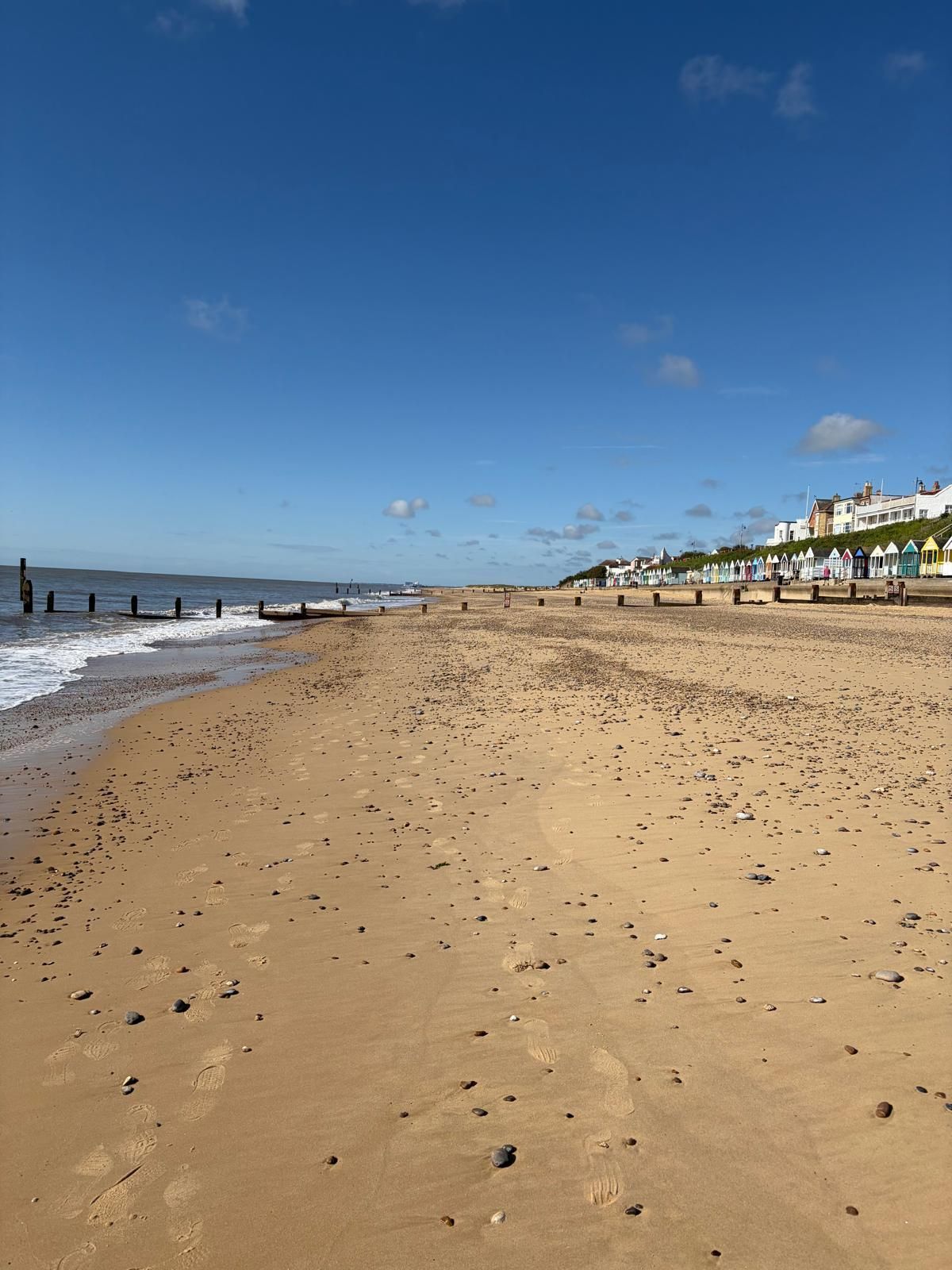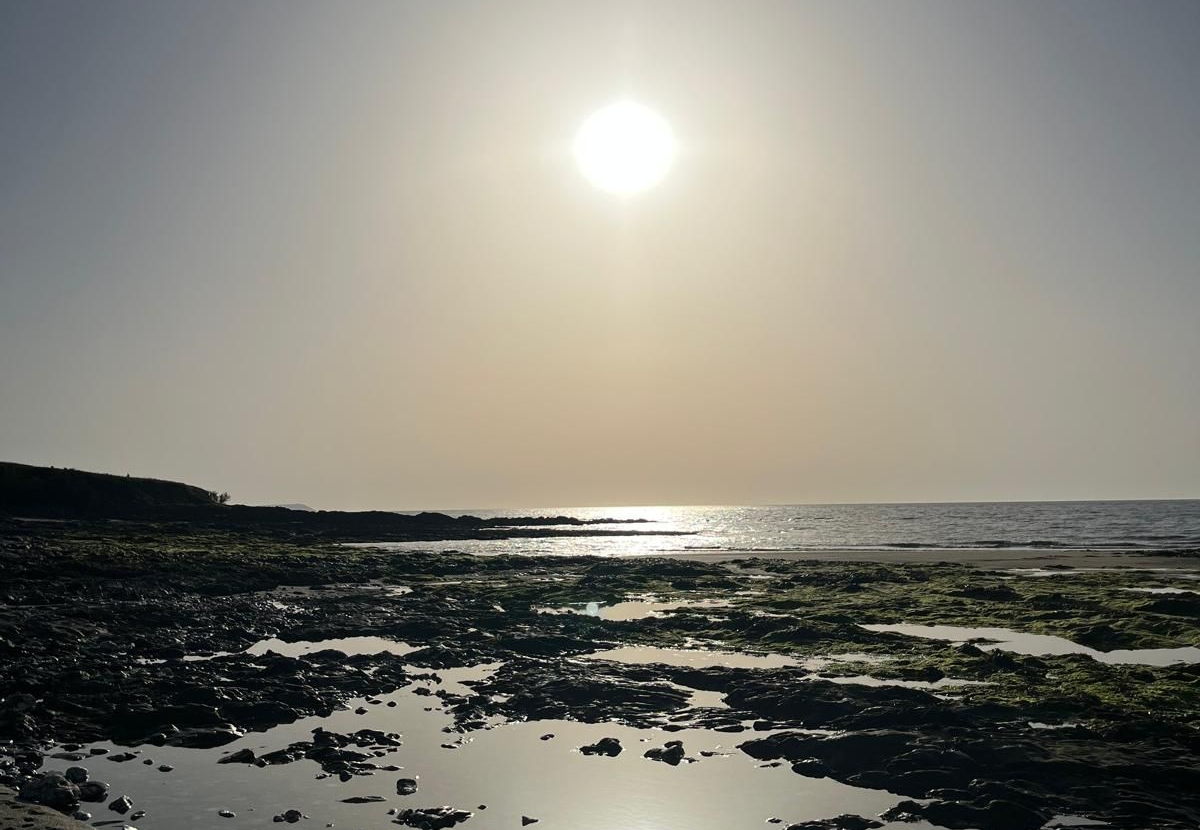
Have you ever gone for a walk and spent the whole time entirely in your head?
Have you ever gone for a walk and spent the whole time entirely in your head?
I was a vet for many years before making the transition into a counsellor. Growing up in the countryside, I have always spent time in nature, and found relaxation and solace there.
When I first heard of forest bathing, I thought rather disparagingly that it was simply a walk in the woods. A particular event made me change my mind. Returning from a walk one day, a friend asked me what route I had taken. I couldn't tell them. I had spent the time entirely in my head with thoughts of what I had done and needed to do. That was quite a shock. Coincidentally, another friend recommended a forest bathing course, which I enrolled on, and discovered that forest bathing is so much more than just a walk in the woods.
Being in woods in general is beneficial, but during a forest bathing session, a participant is asked to take part in several invitations which enhance the effects of being in nature. It can also extend beyond woods into all environments where there is something natural present. It roots us in the present moment and allows worries and concerns to fall away. It engages all the senses and ignites feelings of wonder and belonging. We enter the wonderful state of flow. It has proven beneficial effects on mental, emotional and physical health.
The research supports this. Time in green spaces lowers blood pressure and stress levels, boosts the immune system, and has benefits for cardiovascular health, diabetes and even pain. Being in woods is particularly helpful, alleviating fatigue and aiding concentration, focus and memory.
Some simple things you can try in a green space:
- Stand still for a few minutes, close your eyes. What can you hear? What direction is it coming from? What can you feel? What can you smell?
- Walk slowly, breathing in for 4 counts and out for 4
- Try a 5-4-3-2-1 grounding: 5 things you see, 4 you feel or touch, 3 you hear, 2 you smell, 1 you taste
- Sit and look at something you're drawn to. Observe slowly, without trying to think too much
And if you're indoors, even looking at views of green spaces, using pine or lime essential oils, or keeping houseplants can help. A very readable book to learn more is Into the Forest by Dr Qing Li.
I now offer forest bathing sessions to any interested clients.
I'm Claire Poole, a vet for many years (BVMS, MRCVS) and a BACP-registered counsellor since 2015. I offer integrative, person-centred counselling online, and I'm trained in ecotherapy including walk-and-talk sessions, forest bathing, and canine-assisted therapy with my dog. I work with adults, children and young people, and I have a particular interest in supporting the veterinary community; a world I know from the inside.
You can find me in the Vetamorphosis Therapist Directory, a not-for-profit service connecting veterinary professionals with therapists who have genuine insight into veterinary life: Directory