Therapist Directory
Find a Therapist with Insight into Veterinary Life
This not-for-profit directory is provided by Vetamorphosis
Therapists are independent practitioners
The Vetamorphosis Therapist Community Mission & Vision
Our Vision
A future where everyone working in a veterinary context can access compassionate, informed psychological support from therapists who have real insight into their world.
Our Mission
The Vetamorphosis therapist community exists to empower change in veterinary mental health by:
Connecting you with qualified, vetted therapists who understand veterinary culture and the unique challenges you face
Elevating therapeutic practice through specialist training, peer support, and continuous professional development focused on supporting your wellbeing
Educating both veterinary staff and therapists to break down barriers and misconceptions about seeking and providing support
Building a collaborative community that supports everyone working in veterinary emotional health - from the therapists and coaches who serve you to the veterinary staff they support
How This Works
Every therapist listed is an independent practitioner running their own therapy practice. They set their own fees, choose their therapeutic approaches, and manage their own schedules. You'll work directly with your chosen therapist - this directory simply makes the connection and is run as a not-for-profit service.
Important: Vetamorphosis provides the directory service to help you find each other, but your work together is entirely independent of Vetamorphosis.
All Vetamorphosis Associate Therapists have:
- Professional qualifications - Minimum Level 4 Diploma in Counselling/Psychotherapy
- Current registration with Professional Standards Authority (PSA) accredited professional bodies, for example:
- British Association for Counselling and Psychotherapy (BACP)
- United Kingdom Council for Psychotherapy (UKCP)
- For a full list of PSA accredited bodies: Find an Accredited Register | PSA
- Professional indemnity insurance
- Basic DBS/PVG check
- Veterinary sector understanding - Demonstrated through training, experience, or background
- Significant personal development work - including personal therapy
Jargon Buster
Qualification
Unlike the veterinary profession, which is regulated by the RCVS, the therapy industry is not currently a regulated profession. Formal training is therefore optional, not mandatory.
However, to be a registered member of a PSA accredited professional body (BACP, UKCP etc), therapists must meet certain minimum requirements for training and competence, and agree to work to a specific set of ethical standards.
There are many different titles used in the UK to describe “therapists”. Unlike the titles “veterinary surgeon” or “veterinary nurse”, which are protected by UK law, none of the following titles are protected in the UK and can therefore have different meanings. However, our directory therapists all meet the following standards:
- Counsellor: Trained to approx. level 4 (HND) usually taking 1-2 years (part-time). Counsellors are particularly skilled at short to medium-term work, focusing on current problems. However, they might work longer-term at greater depth. PSA-accredited membership bodies: BACP, NCPS and others (but not UKCP).
- Psychotherapist: Trained to level 7 (Master’s degree), taking 4-6 years (part-time). Psychotherapists are generally most skilled at longer-term, depth-focused work exploring underlying patterns and past experiences. PSA-accredited membership bodies: BACP, UKCP and others.
- Psychotherapeutic counsellor: Training takes between 3 and 6 years (part-time) at approx. level 6 (Batchelor’s degree level). Psychotherapeutic counsellors offer a middle ground, with deeper training than basic counselling but with emphasis on the therapeutic relationship. They generally work in a longer-term and depth-focused way, but can flex to work in a shorter, current-focused way. PSA-accredited membership bodies: BACP, UKCP and other bodies.
- Coach: Variable levels of training, from short-courses to level 7 (Master's) qualifications. Future-focused, action-oriented to achieve specific goals, rather than on emotional healing or understanding past experiences. Membership bodies (with professional standards and ethical codes) include: EMCC, AC, ICF, ILM.
Therapeutic Approach
- Person-centred: Focuses on your own capacity for growth and self-direction
- Cognitive Behavioural Therapy: Practical, skills-based approach to changing thought and behaviour patterns
- Psychodynamic: Explores how past experiences influence current patterns
- Transactional Analysis: Explores how we communicate and relate to others, looking at different "parts" of ourselves and the patterns we learned early in life
- Somatic: Connecting with the wisdom of bodily feelings to understand emotions and their communications
- Integrative: Combines different approaches
- Pluralistic: May use a variety of responses and methods to assist you (as long as they fit with your needs and personal preferences)
- Coaching:
Future-focused, action-oriented work. Usually time-limited and short-term.
Making Your Choice
Trust your instincts
The "right" therapist is the one who feels right to you.
Academic qualifications matter but so does whether you feel comfortable and understood in their presence.
Initial consultations
Some therapists offer brief initial conversations (15-20 minutes) or a full initial consultation (50-60 minutes) where you can:
- Get a sense of their communication style
- Ask about their experience with veterinary professionals
- Discuss practical arrangements (scheduling, fees, session format)
- Determine if you feel comfortable moving forward
It's OK to change
If your first choice doesn't feel right after a few sessions, it's completely ok to try someone else.
Our therapists understand this and will support your decision to find the best fit.
The Directory
Claire Poole, Counsellor
Training/qualifications: Level 4 Therapeutic Counselling, BVMS, MSc
Memberships: BACP, MRCVS
Modality/approach: Integrative, Person-centred, Psychodynamic
Location/online: Online
Contact: logievet@btinternet.com
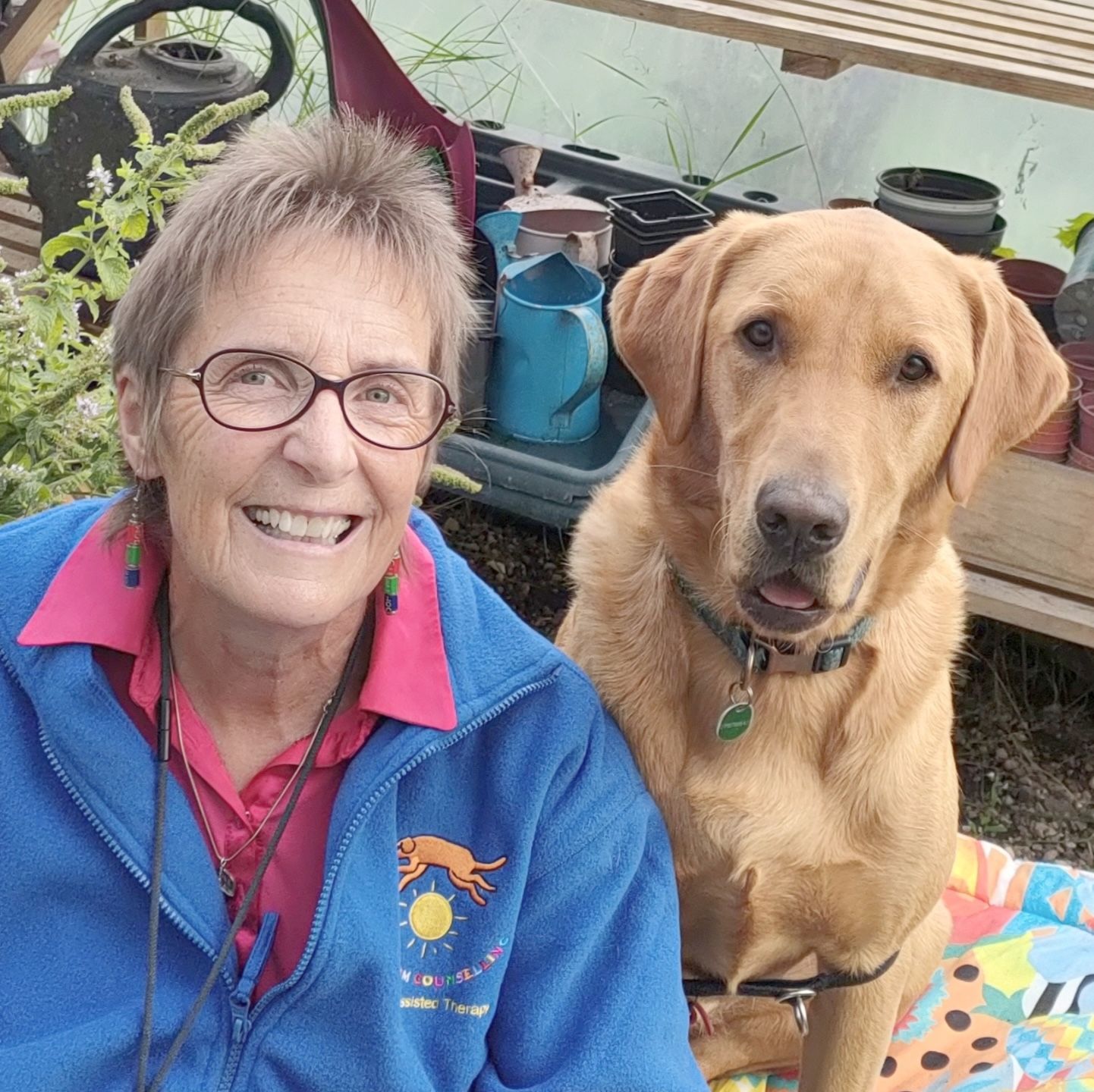
I qualified from Glasgow and worked as a vet for many years. I was an independent small animal practice owner for some of the time, finally giving up practice due to health issues. I was extremely lucky to be able to hand the practice over to a worthy successor with the same values as me.
Being a single handed vet in a small town, I found that clients would sometimes confide in me about their issues. This instilled in me a desire to help others in emotional distress, and I decided to further this role by training as a Samaritan which I did for 13 years. During that time, I trained as a counsellor and spent my last years in practice working part time in the surgery and part time as a counsellor. While I was in practice, I mentored and supported many students and recent graduates and found this very rewarding. Since my departure from vet practice, I have continued to work as a counsellor.
I trained in person-centred and psychodynamic modalities, though I am more of an integrative practitioner now as I might offer techniques and suggestions which I hope might help my clients. However, my approach is non-directive and we work with whatever my client wants to bring to sessions. If they don’t want to do something, then we don’t do it! I give clients the space, time and freedom to explore the issues important in their lives.
Working with children and young people as well as adults, I trained in Animal Assisted Play Therapy and deliver Canine Assisted Therapy to individuals and groups with my dog. I enjoy this work and it is a lovely way to combine both my career streams. I have ongoing training in mental health issues and this is a large part of my work. I have a certificate in child and adolescent mental health which is very applicable to adults too. I worked for 2 years with a charity counselling adults who suffered sexual abuse in childhood.
I have been a volunteer with Vetlife since 2011, and for several years have provided online counselling for members of the medical community with the charity Frontline 19. I have continued this both online and in-person in my private practice.
I particularly like working with the veterinary community as it is a world that I know very well, and believe I can appreciate many of the issues that our community has to deal with.
I am based in North East Fife and offer in person, online and walk and talk sessions.
Charlotte Pace, Counsellor
Training/qualifications: Level 4 Therapeutic Counselling, BA (Hons), RVN, VTS (IM – Cardiology) PG Cert (Vet Ed)
Memberships: BACP, RCVS, AIMVT, FHEA
Modality/approach: Integrative, Person-centred, Psychodynamic
Location/online: Online. In person, Huntingdonshire
Contact: charlotte@charlottepace.com
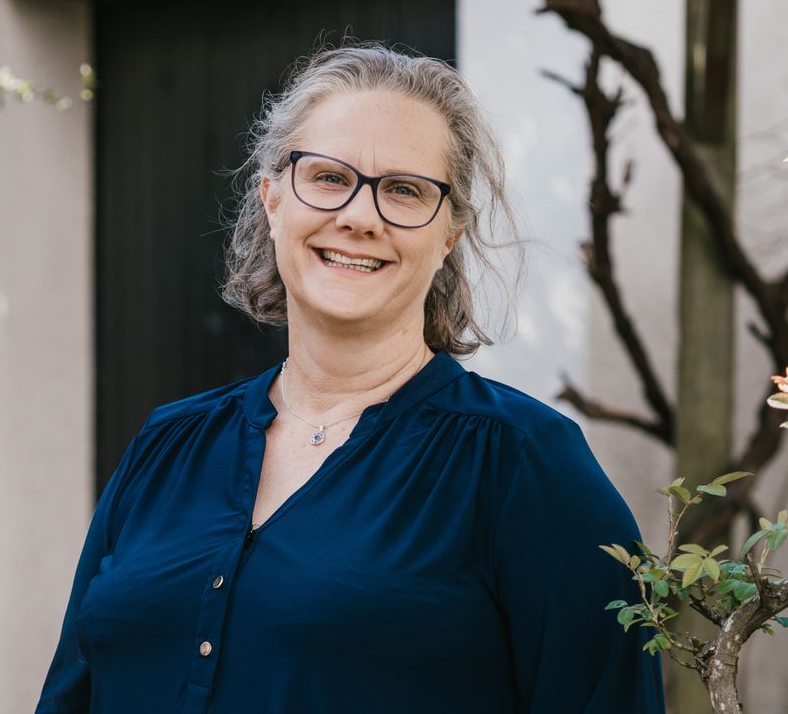
I have been a vet nurse for more than 25 years, and now as my body takes longer and longer to recover from the physical effects of the job, I have been making the transition to becoming a counsellor. Throughout my nursing career I have wrestled with my mental health, imposter syndrome and low self-esteem, and believe that I am in a unique position to understand and help nurses navigate the stresses of the veterinary world, and build a life that allows growth, healing and ultimately fulfilling.
I started my training in 2019 in psychodynamic counselling and continued with a level 4 Diploma in Therapeutic Counselling, encompassing all modalities in an integrative approach. As an integrative counsellor I draw from different therapeutic approaches to suit your individual needs and processing style.
My placement started at the Road Victims Trust, specialising in acute trauma and bereavement, and I still volunteer as a counsellor for them now. I work as a contractor for what was my second placement, Riverwood Counselling and Wellbeing in St Neots, and also now have my own business, Charlotte Pace Counselling. I have been a Vetlife volunteer since 2024.
My areas of interest are depression and anxiety, stress and burn out, addiction and acute trauma and bereavement.
Cynthia Jeffries, Counsellor
Training/qualifications: Diploma in Integrative Counselling and a Diploma in Clinical Supervision (Counselling and Psychotherapy in Scotland (COSCA) accredited)
Memberships: BACP, MRCVS
Modality/approach: Integrative, humanistic, psychodynamic
Location/online: East Lothian/ online
After graduating as a veterinary surgeon, I worked in mixed practice for a number of years before relocating overseas. I spent considerable time living outside the UK, including in Africa, France and the USA, which offered many varied life experiences. On my return to Britain in 2013, I completed my counselling training and have been working in this field ever since.
My training is in an integrative model of therapy which combines the Person-Centred Approach (Carl Rogers) with the Psychodynamic Modality (Freud). This allows me to offer a balance of client-focused sessions which enable a person to understand how their history informs their present.
I have also trained in life coaching which adds to the tools available for someone looking to move forward in life. I am a member of the British Association for Counselling & Psychotherapy (BACP) and a qualified supervisor of counsellors.
My interest in the psychology of trauma, combined with experience of life overseas, has led me to assist several global NGOs and charities, supporting their staff who live and work in often challenging countries and professional situations. In addition, as someone from a farming background, I also offer therapy to those in the farming community in Scotland through a charity that supports this sector. My links to the veterinary profession are maintained through volunteering with the Vetlife helpline.
I can offer reduced rates to a small number of clients for whom cost might be a barrier, please enquire. I am based in East Lothian, in commuting distance from Edinburgh. Although I am happy to offer face to face counselling, most of my work is done online.
Georgina Hills, Psychotherapist
Training/qualifications: Level 7 Integrative Psychotherapy
Memberships: Registered member of UKCP
Modality/approach: Transactional Analysis, Integrative Psychotherapy
Location/online: Online, in-person: Ruthin, North Wales
Contact: chapterpsychotherapy@outlook.com
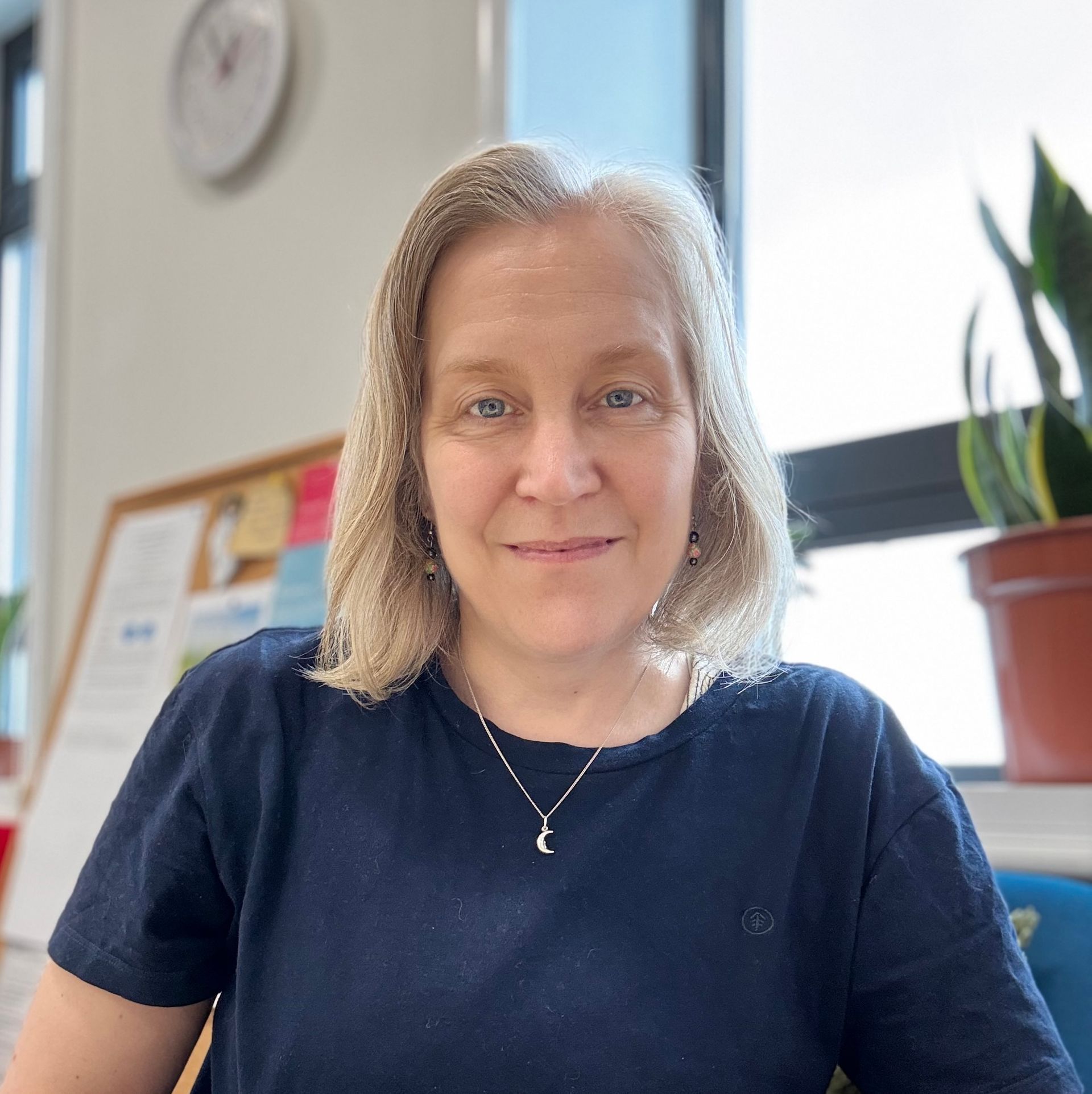
I offer a compassionate, collaborative space for clients to explore their experiences, relationships, patterns, and sense of self. My therapeutic approach is integrative, with Transactional Analysis at its core, helping clients develop greater awareness, understanding, and choice.
Before becoming a psychotherapist, I spent 27 years in the veterinary industry, beginning as a Veterinary Nurse and later working as Head Nurse, Practice Manager, Business Support Manager, and Operations Manager for a corporate group. I have worked across small animal, mixed, and referral practices, giving me a deep understanding of veterinary culture, animal care, and the people who provide it. My interest in supporting people led me to study Social Psychology and later train as a psychotherapist. Since moving fully into mental health in 2022, I have worked as a Community and Mental Health Advocate in the third sector and now work as an Advanced Clinical Practitioner within the NHS.
Through Vetamorphosis, I bring together my experience in veterinary settings and mental health support. This gives me a unique perspective when working with veterinary professionals and others who may be navigating anxiety, self-worth, relationship patterns, work-related stress, or life transitions.
Qualifications & Professional Registration
- Level 7 Integrative Psychotherapy with a focus on Transactional Analysis
- Person-Centred Counselling, Level 2 and Level 3 Skills and Theory
- Registered member of UKCP, adhering to their ethical framework and working towards accreditation
Additional Training
- Acceptance and Commitment Therapy (ACT)
- Cognitive Behavioural Therapy (CBT) & Dialectical Behaviour Therapy (DBT) Skills
Areas of Interest
- Anxiety
- Obsessive-Compulsive Disorder (OCD)
- Low Self-Worth / Self-Esteem
- Imposter Syndrome
Location
I am based in Ruthin, North Wales, and offer therapy online as well as in-person sessions where possible.
Evening appointments are available. I also offer a free 30-minute introductory Zoom session, giving you the opportunity to ask questions and get a sense of whether working together feels right for you.
More information
If you would like to learn more about Transactional Analysis, you may find this introduction helpful:
Transactional Analysis: An Introduction - Dr Mark Widdowson (youtube.com)
Cate Brothwell, Counsellor
Training/qualifications: Level 4 Diploma Integrative Counselling, Level 6 Diploma Counselling Children and Young People
Memberships: BACP, MRCVS
Modality/approach: Integrative
Location/online: Online only
Contact: cate@mypsyche.co.uk
I am a counsellor and also work part-time as a veterinary surgeon in small animal practice in Kent. I understand the current difficulties of working in practice and the nuanced challenges faced by veterinary professionals. I have been a Vetlife volunteer for eight years and am passionate about supporting all members of the veterinary community. As a mother, I have experienced the pressures of juggling work and family life and have lived experience of compassion fatigue and burnout.
I began my counselling training during the pandemic and now hold a Level 4 Diploma in Integrative Counselling, a Level 6 Diploma in Counselling Children and Young People and a Certificate in Psychology and Neuroscience of Mental Health. I run a private counselling practice working remotely with adults and young people, within which sits VetPsyche, with the specific aim of supporting members of the veterinary profession. I'm a registered member of the BACP and an accredited member of the Association of Pet Bereavement Counsellors.
I am trauma informed and have experience of working with anxiety, depression, stress, compassion fatigue and burnout, vicarious trauma, low self-esteem, bereavement, loneliness and relationship difficulties. This list is by no means exhaustive.
I provide a compassionate and non-judgemental space for you to feel heard and accepted, allowing self-exploration, discovery and perception. I hold a firm belief that a strong therapeutic alliance is key and that we each hold the solution to our problems. The counselling process can be a difficult journey and having undertaken my own personal therapy, I know both how hard it is to show vulnerability and how important it is to feel safe and held within the relationship.
Please visit my website
www.mypsyche.co.uk for more information.
Philippa Welsh, Psychotherapeutic Counsellor and Coach
Founding Director of Vetamorphosis
Training/qualifications: Diploma in Humanistic Integrative Counselling (Level 6), ILM Level 5 in Effective Coaching and Mentoring, PG Cert (Vet Edu)
Memberships: UKCP, Association for Coaching (AC), MRCVS
Modality/approach: Relational, integrative
Location/online: Online only
Contact: philippa@vetamorphosis.co.uk
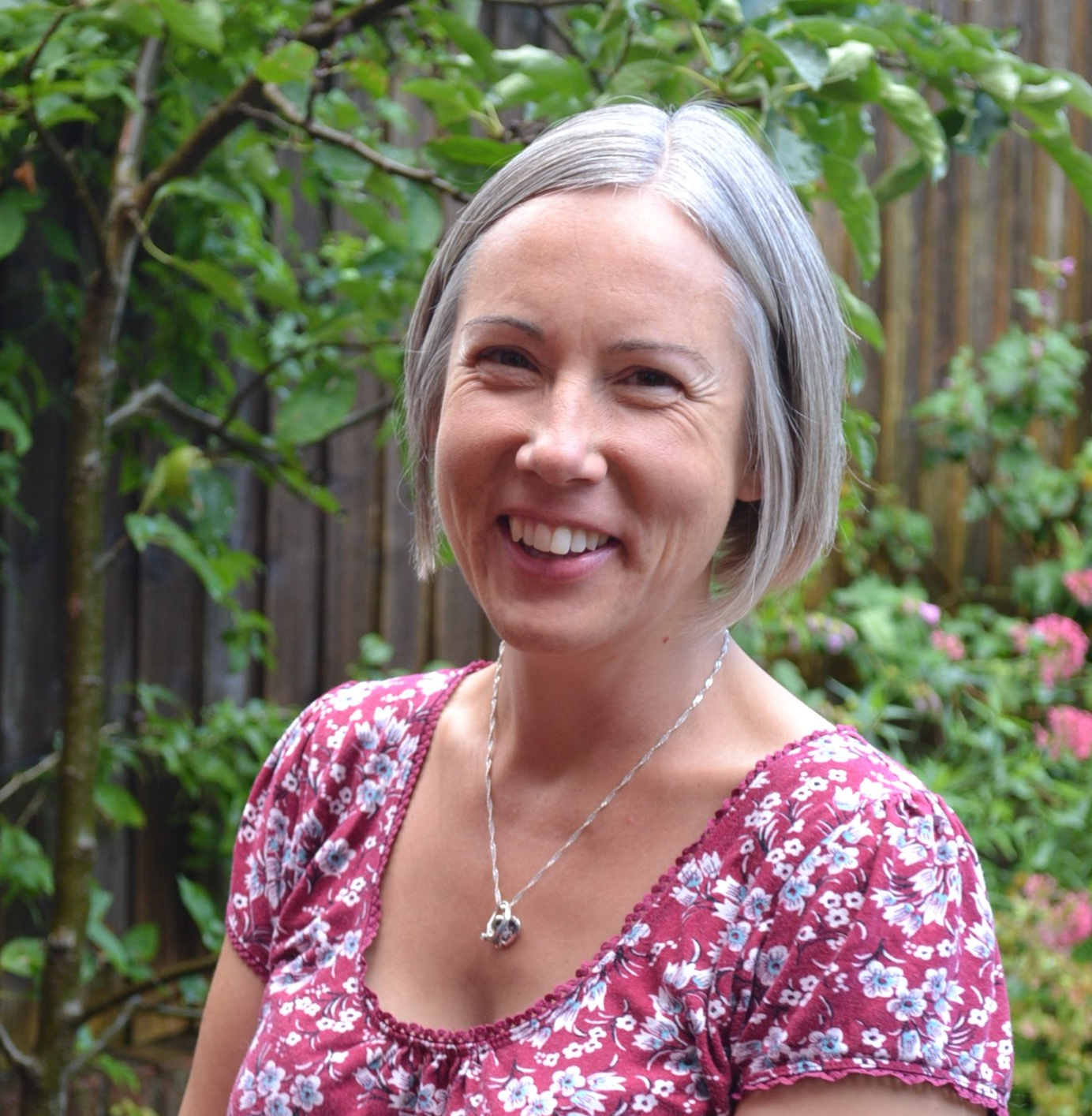
With over 20 years of post-graduate experience in the veterinary profession - including 15 years in clinical practice spanning first opinion and residency training - I bring both lived veterinary experience and UKCP-registered training as a psychotherapeutic counsellor. I have been in therapeutic practice since 2020.
I work with vets, vet nurses and practice managers facing a wide range of difficulties - anxiety, burnout, career transitions, relationship challenges, grief, and complex trauma. I have particular interest in how our relational patterns, learned from early experiences, show up in our working lives. I adapt my approach to what each client needs - some benefit from exploring deeper patterns, others need more practical strategies for current challenges, and most need both at different times.
I also work with those in veterinary leadership - clinical directors, practice owners, and senior managers - as a therapeutic coaching partner, focusing on the relational complexity of leading veterinary teams: team dynamics, difficult conversations, the isolation that can come with seniority, and the personal impact of the harder aspects of the role.
Beyond individual work, I lead the Vetamorphosis therapist community network, facilitating monthly peer support and professional development meetings for members.
For more information, visit the Therapy with Philippa or Therapeutic coaching pages, email philippa@vetamorphosis.co.uk, or use the contact form on the homepage.
Can't Find What You Need?
If you need specialised approaches not available in our current network, contact Philippa (philippa@vetamorphosis.co.uk) who will try to help you find appropriate referrals.
Alternatively, UKCP and BACP offer comprehensive registers of their members.
You can find these at:
Vetamorphosis Community Members
Vetamorphosis community therapists not currently available for client work
Sarah Walton
Training/qualifications: Integrative psychotherapy and counselling (level 7), BVSc
Memberships: BACP, MRCVS
Modality/approach: Integrative
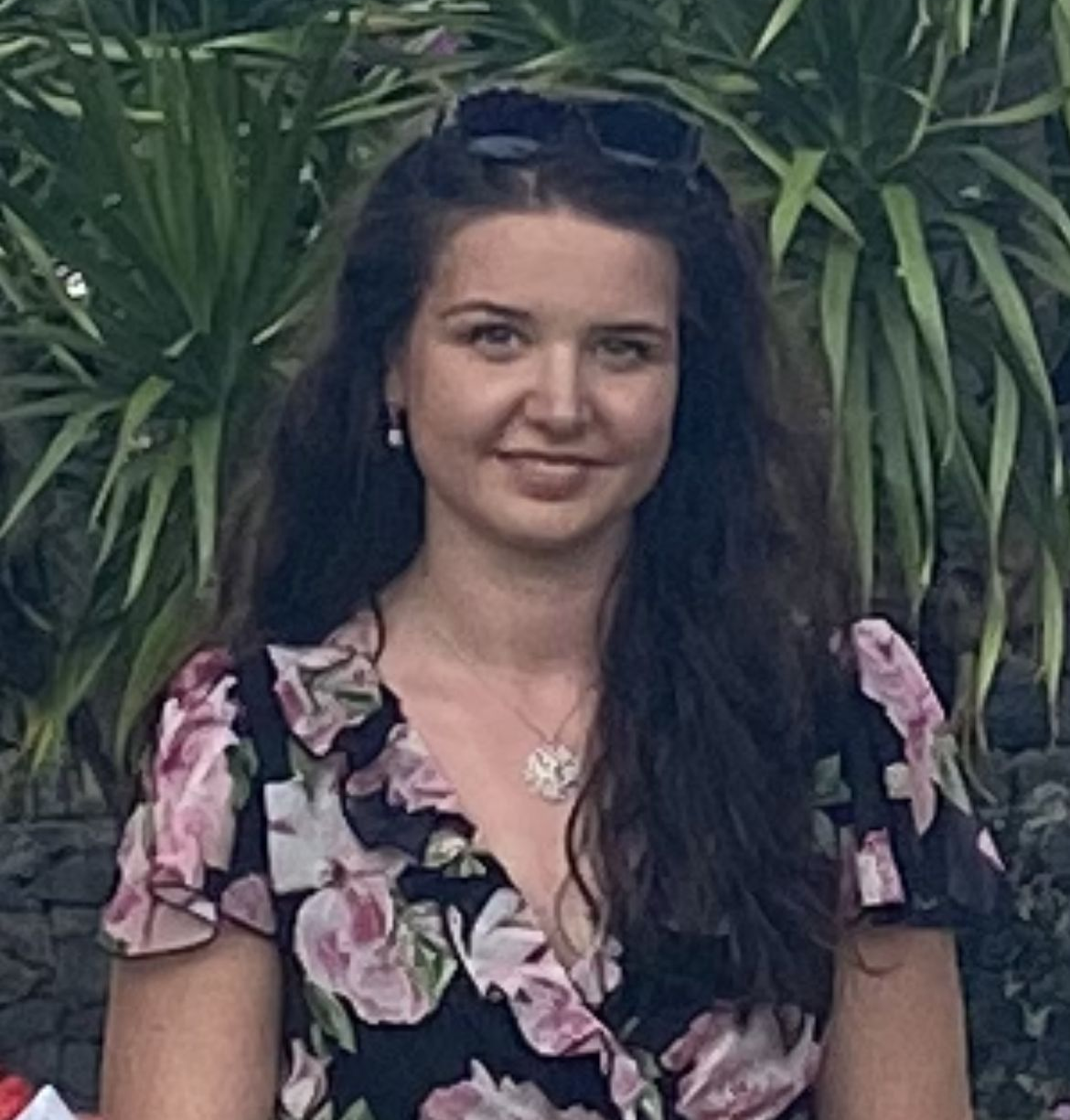
My interest in supporting others started whilst at vet school, through training in counselling skills via a peer support service. I found that I loved this mindset and approach, and witnessed the power of enabling people to feel heard and valued as themselves, without any conditions or expectations.
I started work in mixed practice, but recognised I was becoming burned out after three years, and this lead me to take the step to furthering my interest in counselling. I did this through an MSc, undertaken part time alongside small animal clinical work. I really enjoy the flexibility of an integrative approach, meaning that therapeutic work can be tailored to the individual person's needs and preferred style, and lead by whatever feels right for them at the time. My training includes attachment theory, enabling exploration of the influence of childhood relationship patterns, and cognitive behavioural therapy, which can provide a more structured approach for those who prefer this.
I have had experience working with a range of presentations and client groups, including with NHS staff following the covid pandemic, a charity working with survivors of domestic violence, young people in a sixth form centre, a bereavement support charity, and private practice clients presenting with a wide range of concerns. I have performed neurodiversity assessments for a private medical company, giving me insight into the societal challenges posed to individuals with ADHD and autism. I also volunteer for Vetlife. My work is trauma informed, and I value the individual person as a whole, with a safe, non-judgemental therapeutic relationship always being the priority. I aim to allow exploration of a person's true thoughts and feelings, and together to discover the path and tools which might lead to life to feel more fulfilling and in line with their values.
Adrian Longstaffe
Training/qualifications: Diploma in Psychosynthesis
Memberships: BACP
Modality/approach: Integrative
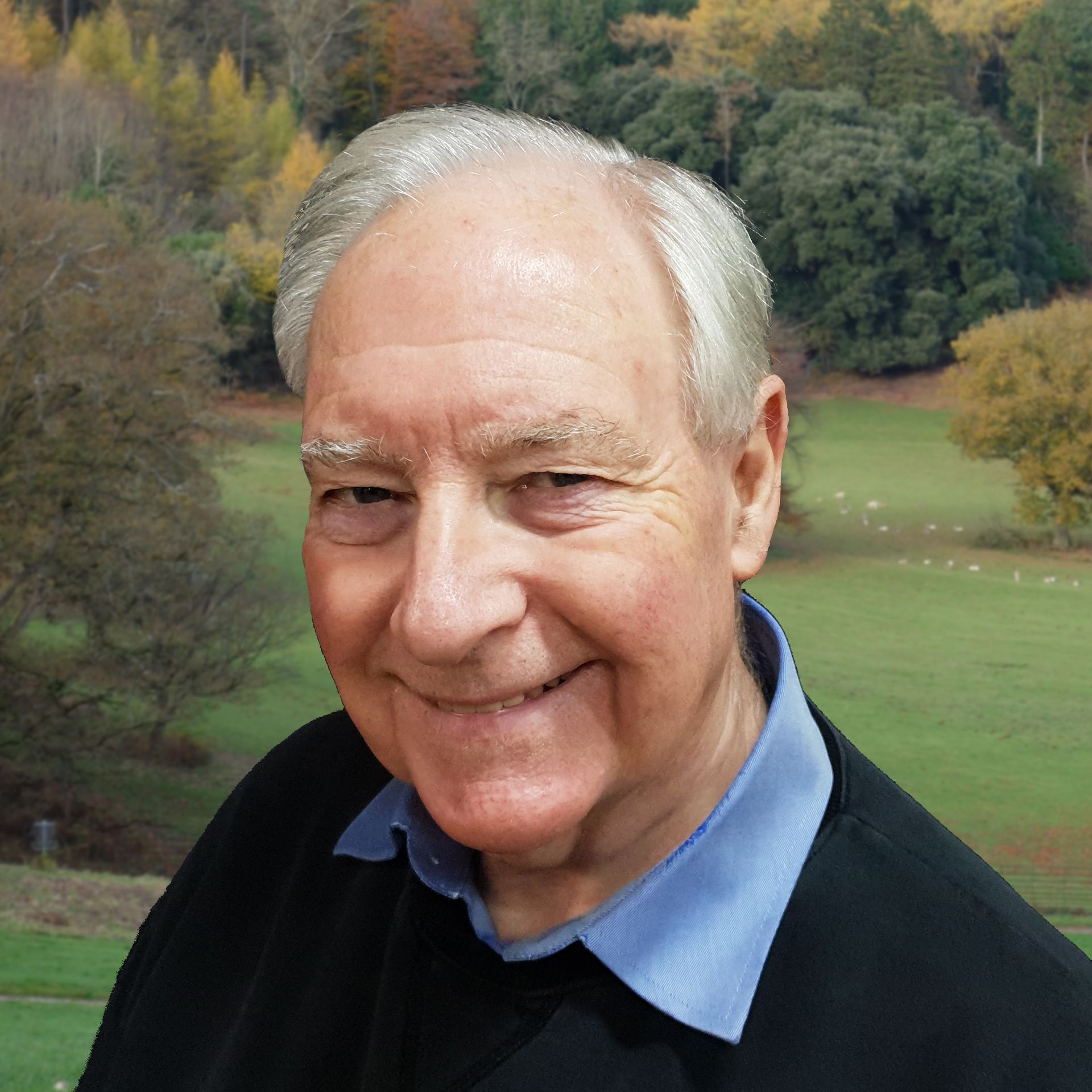
Adrian Longstaffe has pursued a number of different career paths in parallel. Graduating from the Royal Veterinary College in 1966 he spent a few years working in mixed practice either side of the Atlantic including an internship at the University of Philadelphia vet school. A PhD in the immunology of African trypanosomiasis led to about 15 years as a teaching and diagnostic pathologist at the RVC and later at the Bristol Veterinary School.
Changing direction in the mid-80s saw him developing the use of computers in the learning process including founding the Education Technology Service at the University of Bristol, the national Computers in Teaching Initiative Centre for Medicine and the development of learning systems for tropical medicine on behalf of the Wellcome Trust.
In parallel, early interest in theatre developed into an interest in performance psychology and then personal development psychology. He retrained as a psychotherapist in the late 90s and has been in private practice as a therapeutic counsellor since 2000. He has also run the internationally famous workshop The Mastery of Self-Expression as well as leading his own workshop Selves in Action on both sides of the Atlantic.
Having written a dissertation in 2000 on Meaning at Work – how we lose it and how we can regain it, he has become very aware of the special problems of the veterinary profession. Subsequently this awareness led to his producing the content of the majority of the first edition of the Vetlife website.
Adrian is a registered member of the British Association of Counsellors and Psychotherapists, He holds a Diploma in Psychosynthesis (BACP recognised), a Diploma in Leadership from the Institute of Creativity (1 year course) and is a qualified Imagework Practitioner (Dina Glouberman). He has also undergone a professional training as a Pesso Boyden Psychomotor therapist as well as numerous other less formal trainings including Voice Dialogue and Focus Group facilitation.
Having believed himself to be the only person in the UK qualified both as a veterinary surgeon and a psychotherapist, he has been delighted to discover others with similar breadth of training and interest. The veterinary profession has its own constellation of particular issues and it is heartening to be in support of a group of therapists who know the profession from the inside.
Support For The Network
Ongoing Professional Development
Therapists in the Vetamorphosis associates network have access to:
- Monthly peer support groups focused on veterinary mental health
- Quarterly CPD workshops on veterinary-specific topics
- Resource library of veterinary culture and wellbeing materials
- Case discussion opportunities with colleagues who understand this special field
Participation in these opportunities is voluntary and doesn't affect directory listing.
If you would like to join our network, please contact Philippa
email: philippa@vetamorphosis.co.uk
If You Have Concerns
Any issues with a therapist's professional conduct should be directed to:
- The practitioner directly (initially)
- Their professional regulatory body (BACP, UKCP, etc.)
- Vetamorphosis (for directory-related concerns only)
Vetamorphosis’ Role and Limitations
We provide the initial connection, but your therapeutic relationship is entirely between you and your chosen practitioner.
Vetamorphosis doesn’t supervise their clinical work, handle disputes, or take responsibility for treatment outcomes.
In crisis?
Vetamorphosis is not a crisis support service
If you need immediate support:
- NHS mental health services: 111 or 999, visit A&E or call your GP
- Samaritans: 116 123 (24/7)
Vetlife: 0303 040 2551 (24/7) -
www.vetlife.org.uk